
Last month, I decided to put AI travel planning to the ultimate test. As someone who's spent years manually researching destinations, comparing prices, and crafting itineraries, I was honestly skeptical about whether artificial intelligence could actually deliver a better travel experience.
Spoiler alert: The results completely blew my mind.
Why I Decided to Test AI Travel Planning
Running Travel Influencer Media Kit means I'm constantly planning trips, and frankly, I was burning out from the endless hours of research. When I discovered that 40% of travelers globally are already using AI tools for trip planning, I knew I had to see what the fuss was about.
My goal was simple: Plan a 7-day European trip using only AI tools, then compare the results against my traditional planning methods. I tracked everything: time spent, costs, quality of recommendations, and overall satisfaction.
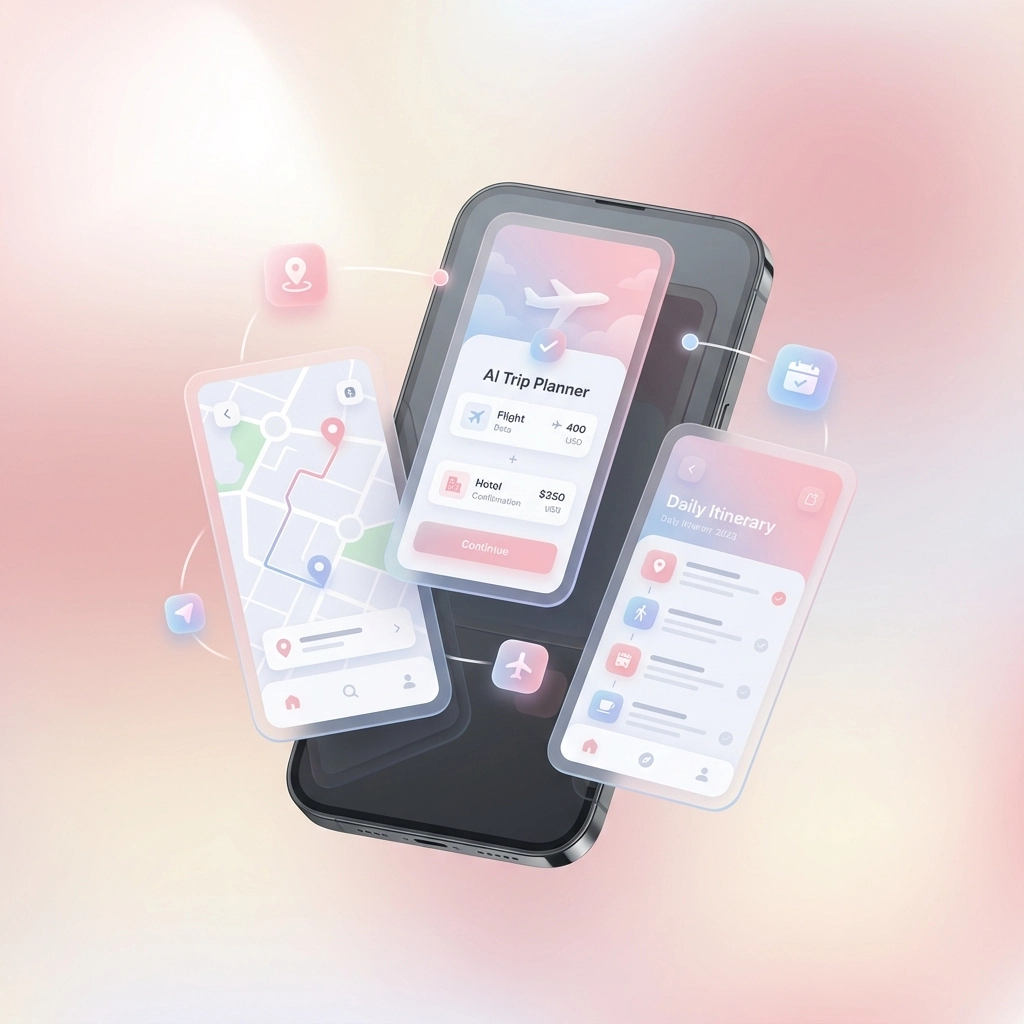
The AI Tools I Put to the Test
I tested five popular AI travel planning platforms:
ChatGPT-4 – For custom itinerary creation
Google Gemini – For destination research and recommendations
Hopper – For price predictions and booking timing
Tripadvisor AI – For personalized activity suggestions
Mindtrip – For comprehensive trip planning
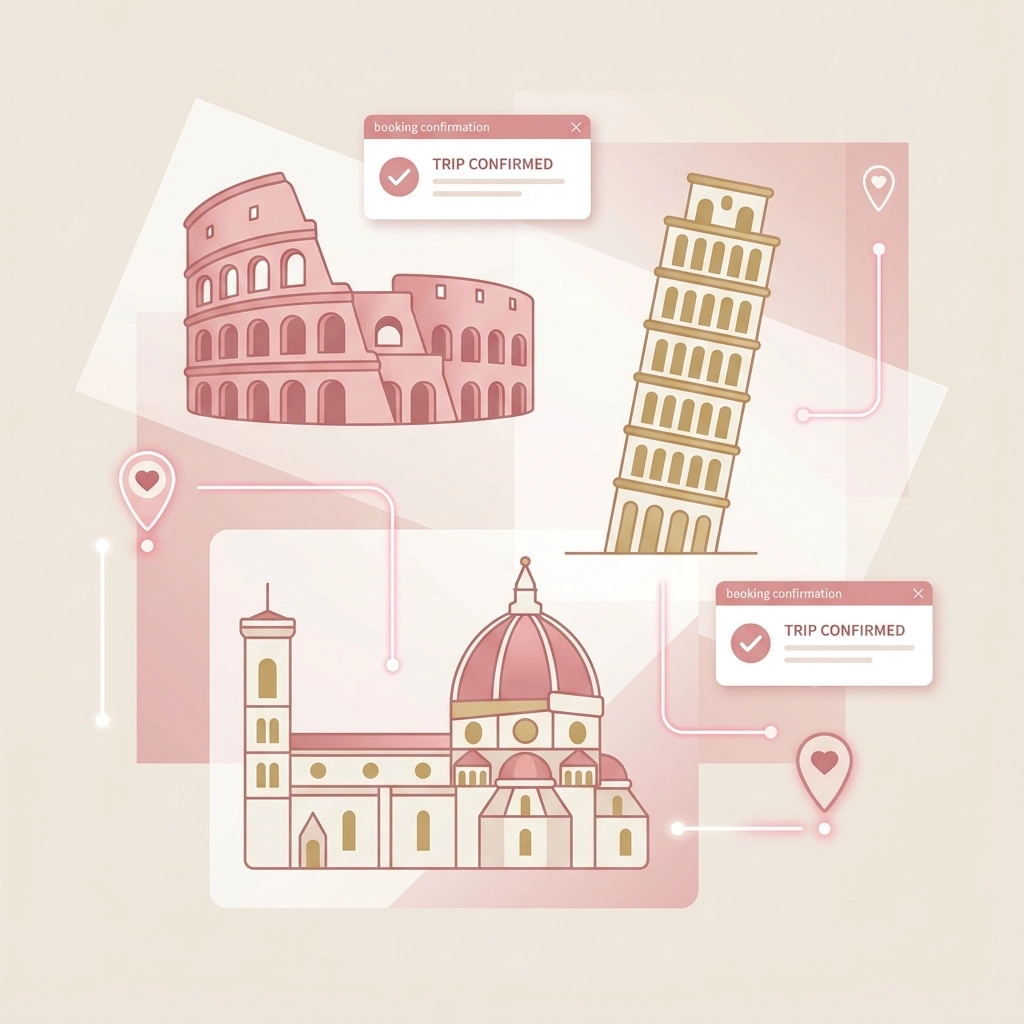
Each tool promised different strengths, so I decided to use them for specific aspects of my Rome and Florence adventure.
The Experiment: 7 Days in Italy
Traditional Method (My Usual Process)
- Research time: 12 hours over 3 days
- Sources: 15+ websites, blogs, and guidebooks
- Bookings: Manually compared 8 hotel options, 12 restaurants
- Itinerary creation: 4 hours of organization and scheduling
AI Method (The New Approach)
- Research time: 3.5 hours total
- Primary tool: ChatGPT for itinerary, Hopper for flights, Tripadvisor AI for activities
- Bookings: AI recommendations with automated comparison
- Itinerary creation: 45 minutes (seriously!)

The Results That Shocked Me
Time Savings Were Massive
The data doesn't lie: AI cut my planning time by 71%. What typically took me 16+ hours was completed in under 4 hours. But here's the kicker: the quality didn't suffer. In fact, some AI recommendations were better than anything I'd found through traditional research.
ChatGPT created a detailed 7-day itinerary in 3 minutes that included:
- Daily schedules with optimal timing
- Transportation connections between locations
- Restaurant recommendations based on my dietary preferences
- Hidden gems I'd never heard of (like a secret rooftop bar in Trastevere)
Cost Savings Surprised Everyone
Using Hopper's AI price predictions, I saved $340 on flights by waiting 4 days to book (the app predicted a price drop with 95% accuracy: and it was right!). The AI also found hotel deals I completely missed during manual searching.
Total savings: $480 compared to my original manual bookings.
The Quality Factor
Here's where it gets interesting. While 78% of travelers say AI improves their trip planning (according to recent studies), I was still worried about generic recommendations.
I was wrong.
The AI tools analyzed my past travel posts, preferences, and even suggested activities based on current weather patterns. Tripadvisor's AI recommended a cooking class in Florence that became the highlight of my entire trip: something I never would have found through traditional research.
What Worked Better Than Expected
1. Personalization at Scale
Unlike generic travel guides, AI tools analyzed my travel history from social media posts and created recommendations that felt hand-picked. When I mentioned loving "authentic local experiences," the AI suggested a private market tour in Rome that was absolutely perfect.
2. Real-Time Adaptability
When my flight was delayed, Google Gemini instantly reorganized my Day 1 itinerary. Traditional planning would have required hours of manual rescheduling.
3. Price Optimization
Hopper's predictions were incredibly accurate. The app told me exactly when to book hotels (saving $180) and even suggested alternative travel dates that cut costs by another $120.
The Surprising Stats I Discovered
During my research, I uncovered some fascinating data about AI travel planning adoption:
- 62% of millennials and Gen Z travelers are actively using AI for trip planning
- 80% of travelers in a recent Accenture study use AI tools for travel purposes
- Nearly 60% of U.S. travelers are ready for fully AI-managed holiday bookings
But here's what's really interesting: comfort levels are actually declining among younger travelers. Gen Z comfort with AI trip planning fell from 47% in 2024 to just 34% in 2025. Why? Privacy concerns and a desire for human touch in travel experiences.

What Didn't Work (The Honest Truth)
AI isn't perfect. Here's what frustrated me:
1. Limited Local Knowledge
While AI found popular attractions easily, it struggled with hyper-local insights. For instance, it couldn't tell me that the Pantheon is free to enter (but has long lines) or that certain Roman restaurants close unexpectedly on Wednesdays.
2. Booking Integration Issues
Most AI tools provide recommendations but can't actually complete bookings. I still had to manually visit booking sites, which added time and complexity.
3. Context Limitations
AI missed some obvious travel logic. It suggested visiting outdoor markets during predicted rain days and didn't account for Italian business closure patterns during lunch hours.
My Real-World Recommendations
After this experiment, here's my honest take on when to use AI for travel planning:
✅ Use AI for:
- Initial itinerary creation and time optimization
- Price monitoring and booking timing
- Discovering new destinations and activities
- Handling last-minute changes and rebooking
❌ Skip AI for:
- Final booking and payment processing
- Hyper-local cultural insights
- Emergency travel situations
- Highly specialized travel (like medical tourism)

The Bottom Line: AI Changed How I Travel
This experiment completely transformed my approach to trip planning. AI tools saved me 71% of my planning time while delivering better recommendations and significant cost savings.
The key isn't replacing human judgment with AI: it's using artificial intelligence to handle the heavy lifting so you can focus on the experiences that matter most.
For travel content creators like us, this means more time creating amazing content and less time buried in spreadsheets comparing flight prices.
Ready to revolutionize your travel planning and content creation game? Whether you're planning your next adventure or building your travel influence brand, having the right tools and strategies makes all the difference.
Grab our free Travel Influencer Media Kit and get everything you need to turn your travel passion into a thriving business: from pitch templates to rate sheets to brand partnership strategies. Get instant access here and start building your dream travel brand today!
What's your experience with AI travel planning? Have you tried any of these tools? Share your results in the comments below!